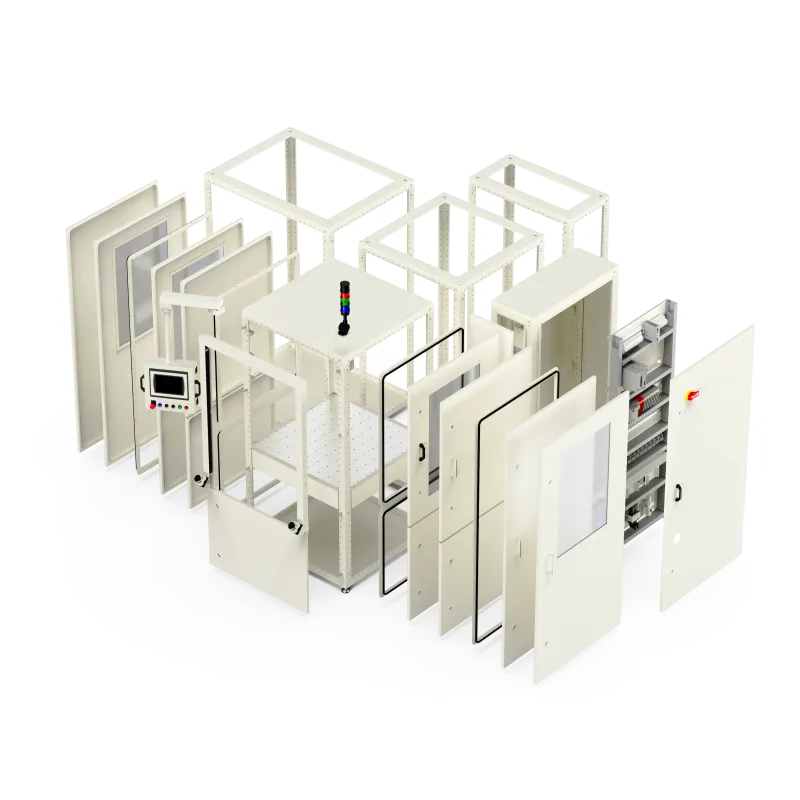
Industrial Automation Cell Platform
For years, custom automation usually meant starting each machine from a blank design. Every new machine required a new frame, guarding, electrical cabinet, safety circuit, and operator layout. Those areas must be reliable, but they do not need to be redesigned from scratch every time.
Our approach is to keep the system standard where it should be and flexible where it matters. By standardizing the repeatable foundation of the machine, we focus engineering time on the actual production problem: tooling, robotics, cycle time, safety access, and process integration.
Working from a proven modular platform gives the project a stronger starting point:
- • Shorter Lead Times: Because the mechanical and controls foundation is already defined, we reduce the amount of foundational design required before fabrication, wiring, assembly, and testing.
- • Less Project Risk: Starting from a familiar, proven machine structure makes the final system easier to build, test, and troubleshoot.
- • Manufacturing Control: We build the key parts of the machine in-house, including mechanical design, CNC machining, welding, panel building, assembly, and programming.
- • Faster Iteration: When an application requires a change, the same team that engineered the equipment can update, wire, test, and validate the solution faster.
The Platform Architecture
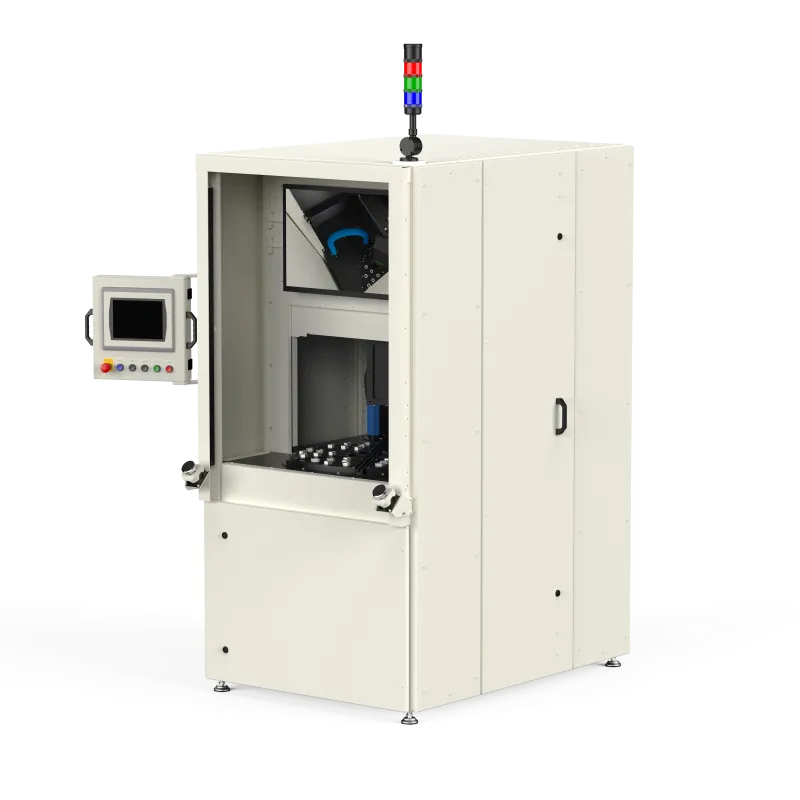
The same base can become different machines depending on the application. Below are examples of how the core structure, controls, safety, and application modules adapt around the process.
Main Platform Structure
The main platform carries the machine. We use heavy-duty welded steel frames with defined sizes, mounting areas, internal wire routing, and air routing. The goal is a rigid base that can support real production equipment, including robots, tooling, fixtures, guarding, and process hardware.
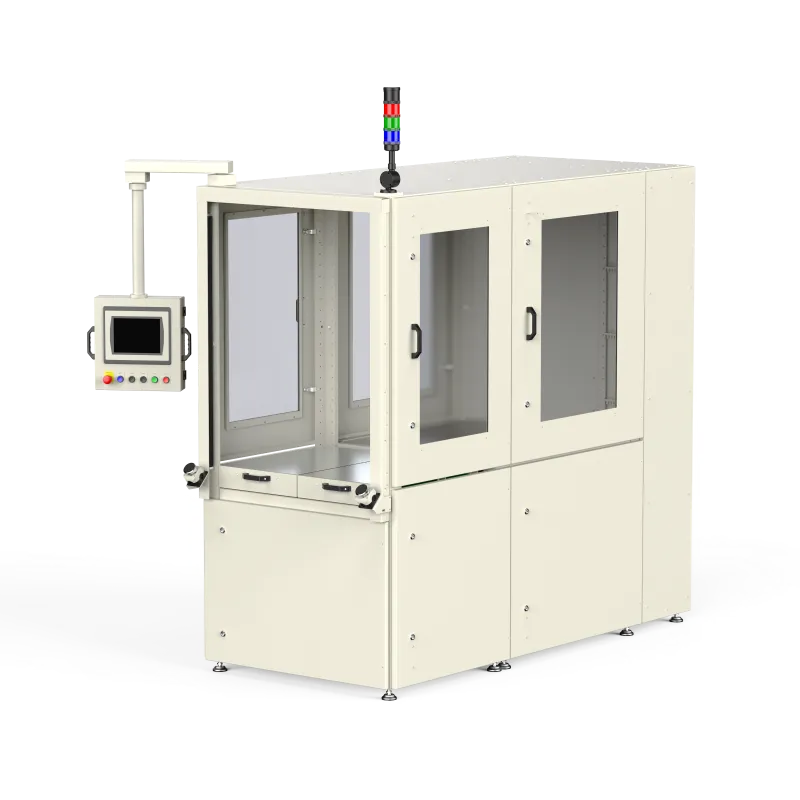
Controls & Safety
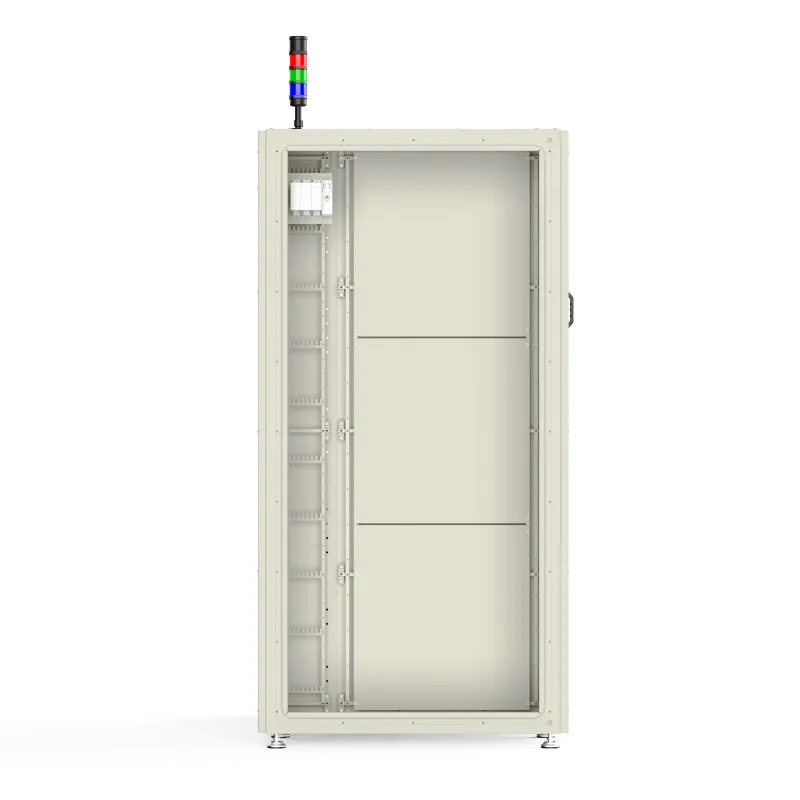
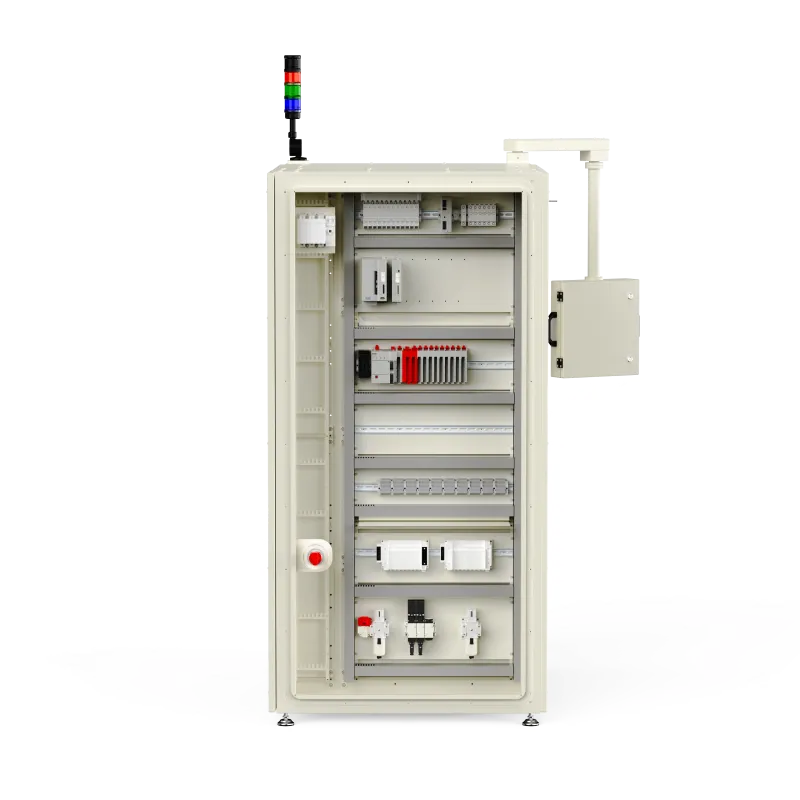
The controls and safety system are part of the machine from the start. Electrical cabinets can use modular backplates, predefined electrical and pneumatic disconnects, and organized internal wire routing. Enclosures can be prepared for AC units, fans, safety switches, interlocks, and magnetic locks. The exact PLC, HMI, drives, and sensors depend on the application, but the layout is not treated like a new experiment on every build.
Application Modules
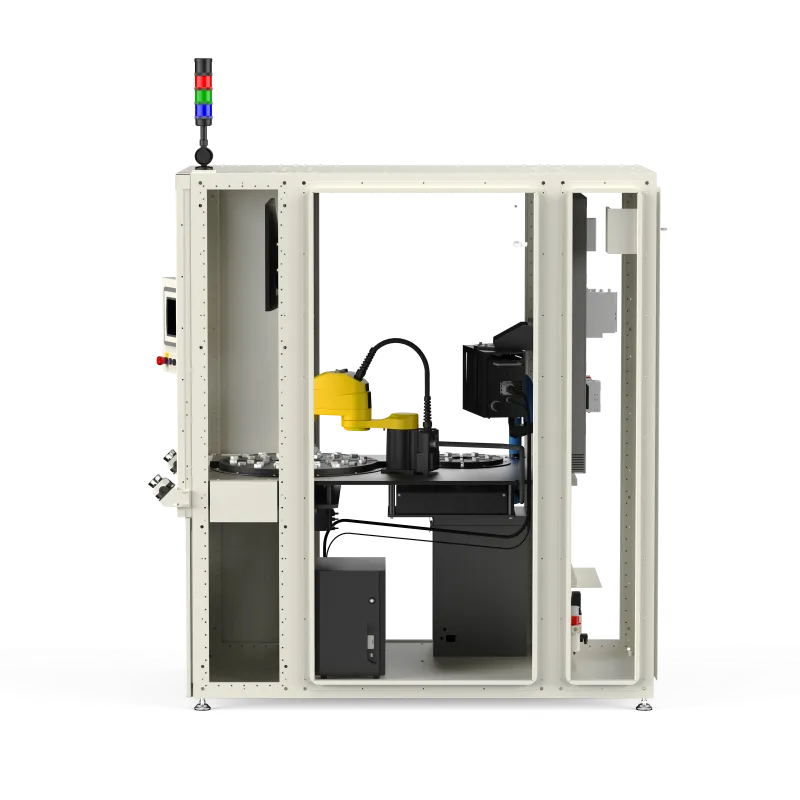
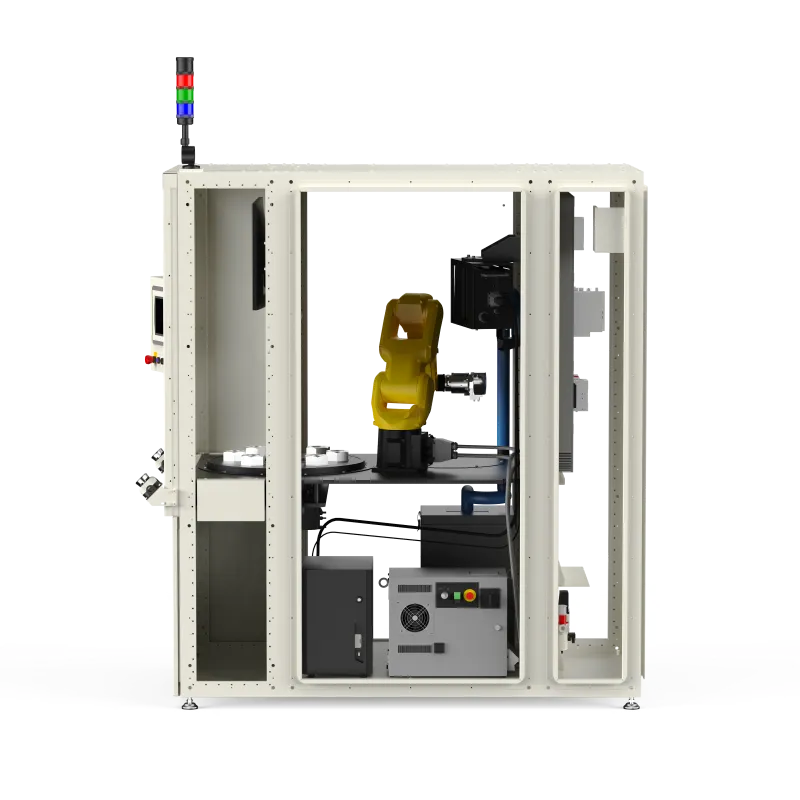
Once the core foundation is set, the cell is adapted to the production task. Application modules can include operator stations, light curtains, touch buttons, HMI mounts, application tables, rotary indexers, auto doors, SCARA robots, 6-axis robots, tray buffers, fixtures, and custom tooling. How the part enters, moves through the process, and leaves the machine determines which modules are used.
How This Platform Is Used
We use this platform as the starting point for our standard and application-fit cells. A customer can start with a standard machine foundation or work with HQA to build a complete system around a specific process.
What We Offer
For teams looking to save engineering time or outsource the base build, we provide two paths:
Fit
- Applications with part size under 15 kg and roughly under 20" x 20" footprint.
- Laser marking, engraving, cleaning, and surface processing.
- Robotic loading, unloading, inspection, assembly, pressing, dispensing, or screwdriving.
- Standalone cells or cells that interface to nearby equipment.
- Projects where shorter lead times and reduced custom engineering risk matter.
- Food-contact washdown environments.
- Cleanroom-validated pharma or biotech equipment.
- Very large systems that do not fit inside a compact cell format.
- Ultra-high-speed systems requiring fully custom motion design.